

Medically reviewed by the Materna Health Medical Team
PCOS is now PMOS. In May 2026, a coalition of 56 patient and professional organizations formally renamed polycystic ovary syndrome to polyendocrine metabolic ovarian syndrome, closing the book on a name that misled patients and clinicians for decades (Endocrine Society, 2026). If you are trying to conceive with PMOS, or PCOS as you may still know it, here is what the change means and what a realistic path to pregnancy looks like.
Why the Name Changed
The old name was built on a misunderstanding. The "cysts" of polycystic ovary syndrome were never cysts at all. They are follicles, the normal structures that hold eggs, just more of them than usual.
Worse, the ovary-centric name hid the bigger picture: this is a whole-body endocrine and metabolic condition involving insulin, androgens, and long-term cardiometabolic health, not an ovary problem with side effects. The new name, polyendocrine metabolic ovarian syndrome, was adopted after a decade-long global consensus process involving more than 22,000 patients and clinicians (The Lancet, 2026).
What does not change: your diagnosis, your treatment options, and everything you have already learned about your body. PMOS and PCOS are the same condition. Only the label got smarter.
The Most Important Fact About PMOS and Fertility
PMOS is the most common cause of irregular ovulation, and it affects roughly 1 in 8 women. It is also, for most, one of the more solvable fertility challenges.
The core issue is usually not egg quality or a closed door. It is timing: ovulation that happens irregularly, unpredictably, or in some cycles not at all. A pregnancy needs an egg, and PMOS makes the egg's schedule erratic.
That framing matters because it points at the fix. Most women with PMOS conceive, many without any medication, and the large majority without IVF.
A Realistic Roadmap to Pregnant
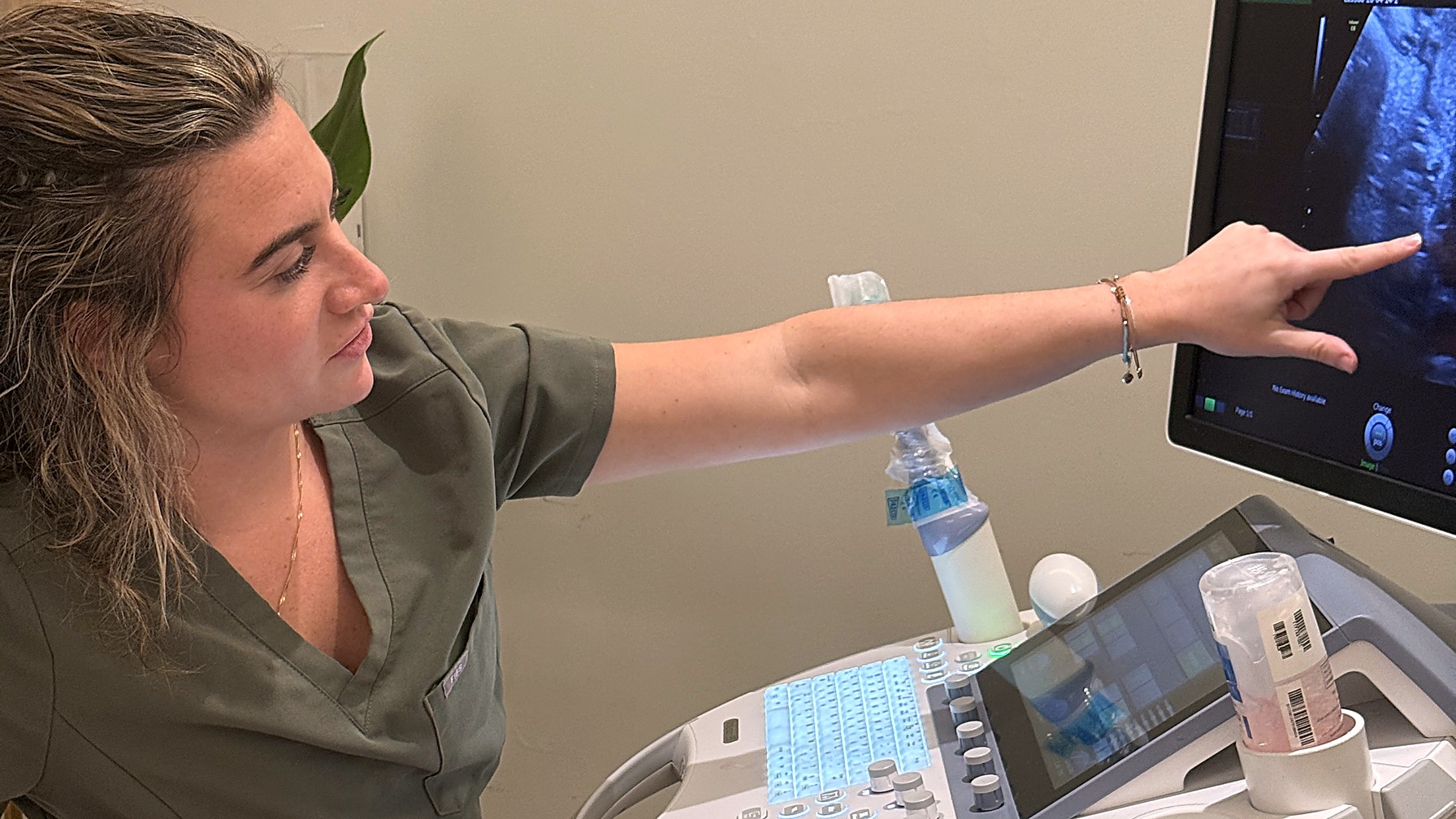
Step one is finding out whether and when you ovulate. With irregular cycles, apps and calendar math tend to fail, because they assume a rhythm your body is not keeping. Tracking tools help some women, but the direct answer comes from watching a cycle in real time with ultrasound, which is exactly what follicular monitoring does: it shows a follicle maturing and confirms ovulation, no guessing involved.
Step two is the workup beyond the ovaries. Because PMOS is an endocrine and metabolic condition, a fertility-focused evaluation should look at insulin and glucose handling, thyroid function, androgens, and the rest of the hormonal picture. Our guide to the complete hormonal workup explains why a single progesterone draw is not enough, especially with irregular cycles.
Step three, when cycles need help, is ovulation induction. First line medications that prompt the ovary to release an egg are well studied, taken briefly, and effective for most women with PMOS. IVF sits several steps down the road, reserved for when simpler measures have genuinely been tried, not the default the internet sometimes implies.
Trying with irregular cycles? One monitored cycle can tell you more than six months of app data. Book cycle monitoring at Materna. Same-week appointments available.
What This Means at Materna
When you come to us with PMOS and a plan to get pregnant, we start with data instead of defaults. That means in-house follicular monitoring to see your cycle as it happens, and labs that treat PMOS as the whole-body condition its new name finally acknowledges: insulin, thyroid, androgens, and the full hormonal picture, read together.
From there the plan is yours: timing guidance when you are ovulating on your own, coordination for ovulation induction when you are not, and honest conversation about when a fertility clinic is genuinely the right next step. If you are earlier in the process, our guide to finding your fertile window is a good place to start.
PMOS and PCOS FAQs
Is PMOS the same as PCOS?
Yes. Polyendocrine metabolic ovarian syndrome is the new name for polycystic ovary syndrome, adopted in May 2026 by a global coalition of medical and patient organizations. Same condition, same diagnosis, more accurate name.
Why was PCOS renamed to PMOS?
Because the old name was wrong twice over: the "cysts" are actually follicles, and the condition is a body-wide endocrine and metabolic disorder, not just an ovary issue. The new name aims to reduce missed diagnoses and stigma.
Can I get pregnant naturally with PMOS?
Very often, yes. Many women with PMOS ovulate in at least some cycles, and pregnancies happen. The key is knowing whether and when you ovulate, which monitoring can establish quickly.
Does the name change affect my diagnosis or treatment?
No. Diagnostic criteria and treatment options are unchanged. If your records say PCOS, nothing about your care becomes outdated. You may simply start seeing PMOS on newer paperwork.
Do I need IVF if I have PMOS?
Usually not. Most women with PMOS conceive with timing, lifestyle support, or first line ovulation medications. IVF is one tool near the end of the list, not the starting point.
The Bottom Line
The condition formerly known as PCOS finally has a name that matches the science, and the fertility story attached to it is more hopeful than its reputation. Irregular ovulation is a scheduling problem, and scheduling problems have solutions.
If you are trying to conceive with PMOS, book cycle monitoring at Materna in the West Village and replace guesswork with a plan. Not ready to book? Download our free preconception guide to start on solid ground.
Not ready to book yet? Start with our free guide.
Get the free guideWe're here for you - from the start
We’re redefining maternal health by replacing the ER with a welcoming, evidence-based care environment that centers you: your body, your symptoms, your experience.
Schedule a visit
Compassionate support for every stage of pregnancy
Contact
Connect with our dedicated support team
Phone
Direct line for immediate healthcare guidance
Office
Women's health center in
130 7th Ave S NY, NY 10014
130 7th Ave S NY, NY 10014
Related blogs and articles

Chemical Pregnancy: What It Means and What Happens Next
Chemical pregnancy explained with care: what it is, why it happens, what recovery looks like, and when to be seen. Same-week appointments available.
Cryptic Pregnancy: Signs, Causes, and How to Know for Sure
A cryptic pregnancy is real but rare. An NYC OB/GYN team explains how tests miss it, who is at risk, and how to get a definitive answer this week.

Postpartum Depression After 6 Weeks: What to Know
Postpartum depression after 6 weeks is real and often missed. Learn the signs and how Materna keeps checking in. Same-week appointments available.