

Pregnancy is supposed to be one of the most supported times in a woman’s life, but for too many, the first trimester feels isolating, overwhelming, and invisible.
You’re told to “wait until 10 weeks.” That nausea is normal. That bleeding is common. That the ER is your best bet. At Materna, we believe you shouldn’t have to wait, suffer, or be dismissed, especially not when it’s early.
The Problem with First Trimester Care
Here’s the truth: the traditional healthcare system wasn’t built for early pregnancy. Most OB/GYNs don’t see patients until 8 to 10 weeks. Primary care doctors often refer you elsewhere. And urgent care centers and ERs aren’t designed for pregnancy-specific needs.
That leaves too many women in limbo: sick, anxious, or scared, with no clear path forward.
Materna: A New Model for Early Pregnancy
Materna is an outpatient clinic built entirely around care from conception through 20 weeks. This isn’t a gap in care. It’s the foundation of it.
Our mission is simple: catch complications early, provide comfort fast, and meet you where you are.
What Makes Materna Different?
We See You Early: No need to wait until week 10. We’ll see you as soon as you have a positive test.
We Take First Trimester Symptoms Seriously: From nausea and vomiting to bleeding and anxiety, no symptom is “too small.”
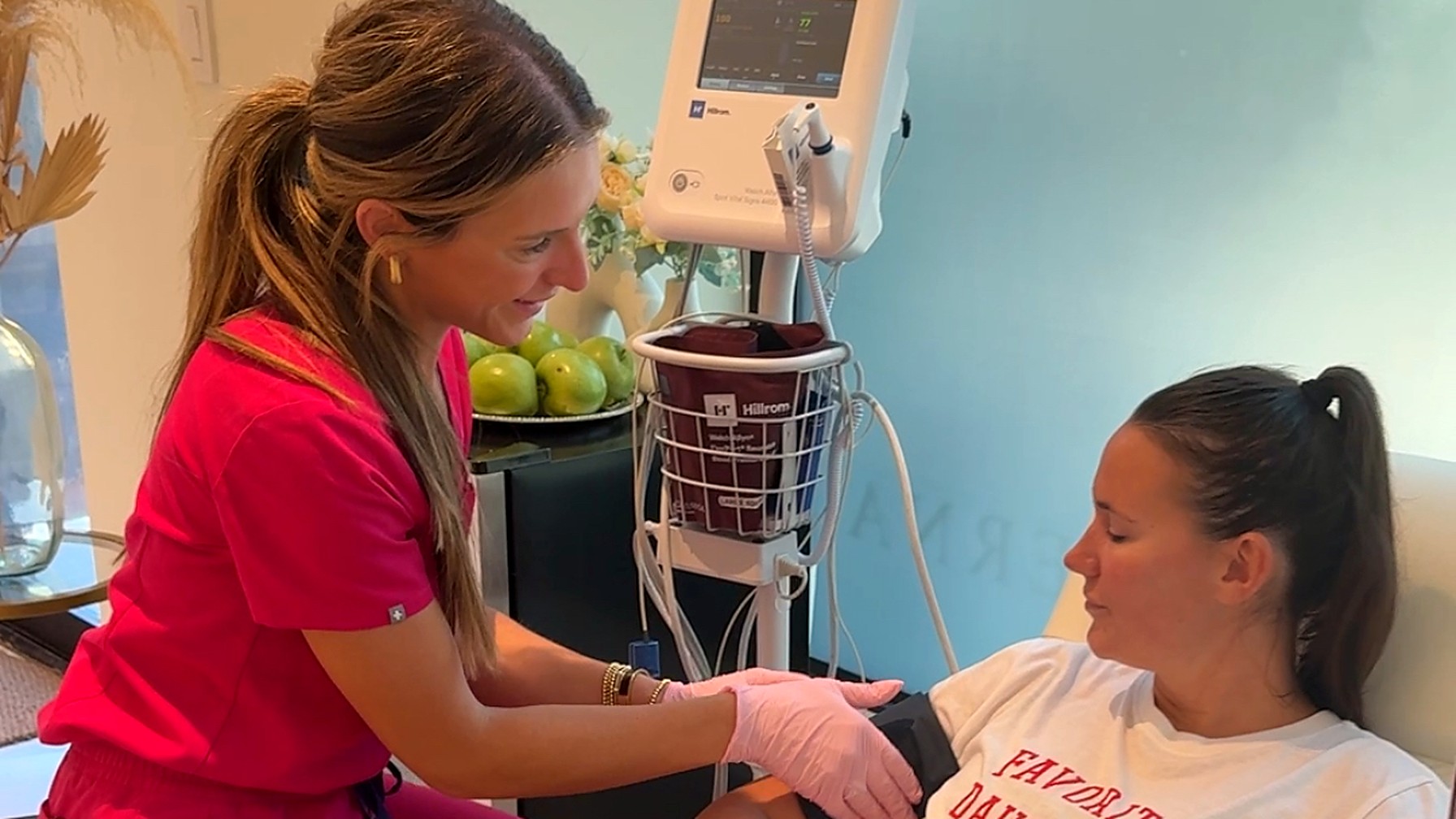
We Offer Onsite Support: IV hydration, lab work, and ultrasound, all in one place, without the hospital.
We Use Data, Not Guesswork: Our care is guided by ACOG guidelines and tools like the HER Foundation’s HELP Score.
We Keep You Connected: Text your care team between visits via our secure HIPAA-compliant app.
Real Care, Right When You Need It
The first 20 weeks are not just “early pregnancy.” They are a critical window for intervention. This is when hyperemesis gravidarum begins. When iron levels drop. When bleeding might signal complications. When many pregnancy losses occur.
But with the right care, this is also when outcomes can change for the better.
A Team That Gets It
Our providers are not just clinically excellent. They’re empathetic, responsive, and on your side. We’ve been there. We’re here to do it differently.
It’s Time to Raise the Standard of First Trimester Care
Materna isn’t a substitute for your OB. It’s your first line of support. Whether you’re 5 weeks or 15, this is care that actually cares.
Because every week of pregnancy matters, and so do you.
Not ready to book yet? Start with our free guide.
Get the free guideWe're here for you - from the start
We’re redefining maternal health by replacing the ER with a welcoming, evidence-based care environment that centers you: your body, your symptoms, your experience.
Schedule a visit
Compassionate support for every stage of pregnancy
Contact
Connect with our dedicated support team
Phone
Direct line for immediate healthcare guidance
Office
Women's health center in
130 7th Ave S NY, NY 10014
130 7th Ave S NY, NY 10014
Related blogs and articles
Cycle Day 3 Fertility Testing: What to Expect in NYC
Cycle day 3 fertility testing explained: which hormones are drawn, why the timing matters, and how to get labs and a baseline ultrasound done in NYC.

Materna Prenatal Program: Keep Your OB, Upgrade the Journey
Six extra prenatal visits from week 14 to 36 with labs, ultrasounds and real time with a provider, alongside your own OB. How the program works in NYC.

HELP Score for Hyperemesis: How Severe Is Your Nausea?
The HELP score rates hyperemesis gravidarum from 0 to 60 in about three minutes. What the ranges mean, how it beats PUQE, and when to get same-day care in NYC.