
.jpg)
Pregnancy is often associated with joy and excitement, but for women experiencing Hyperemesis Gravidarum (HG), it can be a distressing ordeal marked by relentless nausea and vomiting. Unlike typical morning sickness, HG is a severe condition that poses serious health risks if not addressed promptly. Dr. Robyn Glessner from Materna Healthcare emphasizes the critical importance of early intervention to alleviate these symptoms and prevent the condition from escalating. By acting swiftly, healthcare providers can significantly improve the quality of life for expectant mothers, reducing the need for invasive treatments and hospitalizations. In this post, we will delve into why timely care for HG is essential, how Materna is providing proactive treatment strategies, and the profound impact these can have on both physical and emotional wellbeing. Learn more about our approach to HG care.
The Misunderstanding of Hyperemesis Gravidarum
Hyperemesis Gravidarum (HG) is often misunderstood and underestimated. Let’s explore why it’s much more than just morning sickness and the serious consequences of delayed treatment.
More Than Morning Sickness
HG is a severe pregnancy complication that goes far beyond typical morning sickness. It’s characterized by persistent, intense nausea and vomiting that can lead to dehydration, weight loss, and nutritional deficiencies.
Many women with HG struggle to keep down even small amounts of food or water, leading to significant health risks for both mother and baby. Unlike morning sickness, which typically improves after the first trimester, HG can persist throughout pregnancy.
Research shows that HG affects up to 2% of pregnancies and can have long-lasting impacts on maternal health if not properly managed.
The Consequences of Delay
Delaying treatment for HG can have serious repercussions for both the mother and the developing fetus. The longer HG goes untreated, the more severe the symptoms can become, leading to a cascade of health issues.
Prolonged dehydration and malnutrition can result in electrolyte imbalances, muscle wasting, and in severe cases, organ damage. For the fetus, inadequate nutrition during critical developmental stages can lead to growth restrictions and potential long-term health consequences.
Additionally, delayed intervention often means more aggressive treatments are needed later, including hospitalization and invasive procedures like PICC lines for nutrition and hydration.
The Power of Early Intervention
Early intervention is crucial in managing HG effectively. Let’s look at Materna’s approach and how it helps avoid severe complications.
Materna’s Approach to HG
At Materna, we believe in proactive care for HG patients. Our approach focuses on early identification and personalized treatment plans to manage symptoms effectively from the onset.
We use advanced screening tools like the HELP Score to quickly assess the severity of HG and tailor our interventions accordingly. This allows us to start appropriate treatments before symptoms escalate.
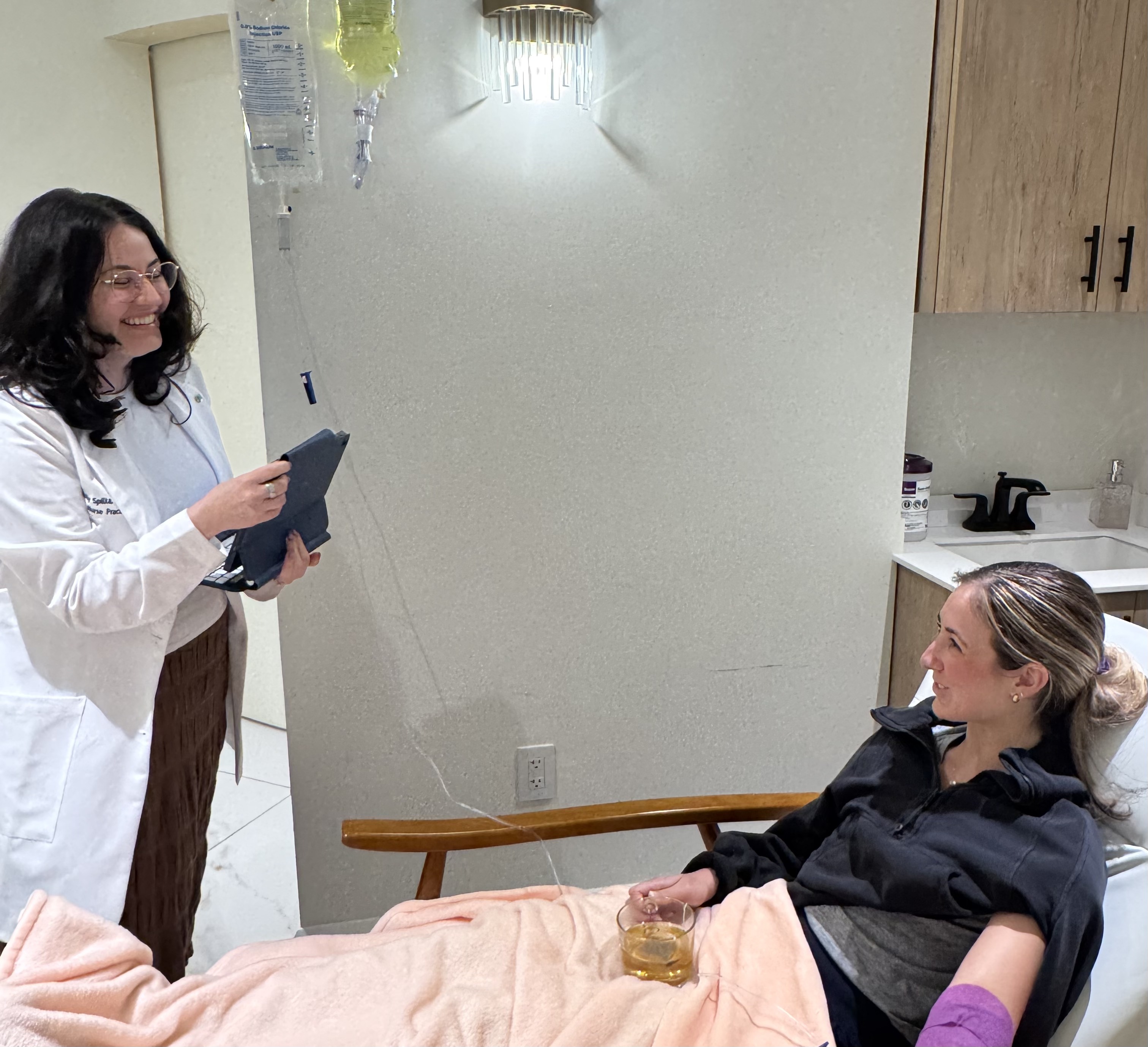
Our care model includes rapid outpatient IV therapy, proactive medication management, and continuous support through virtual check-ins and secure messaging. This comprehensive approach aims to keep patients comfortable and out of the hospital whenever possible.
Avoiding Severe Complications
Early intervention is key to preventing the severe complications associated with untreated HG. By addressing symptoms promptly, we can significantly reduce the risk of dehydration, malnutrition, and other serious health issues.
Timely treatment helps maintain proper hydration and nutrition, which is crucial for both maternal health and fetal development. It also reduces the likelihood of needing more invasive interventions later in pregnancy.
Moreover, early care can help prevent the development of secondary conditions like depression and anxiety, which are common in women struggling with severe HG symptoms.
Emotional and Mental Health Impacts
HG doesn’t just affect physical health; it can have profound emotional and mental health consequences. Understanding these impacts is crucial for providing comprehensive care.
The Hidden Toll of HG
The emotional toll of HG is often overlooked but can be just as debilitating as the physical symptoms. Many women with HG experience feelings of isolation, anxiety, and depression.
The constant nausea and vomiting can make it difficult to engage in daily activities or maintain social connections. This isolation, combined with the physical discomfort, can lead to significant emotional distress.
Some women also report feeling guilty or anxious about the potential impact of their condition on their baby’s health, adding another layer of stress to an already challenging situation.
Compassionate Care for Better Outcomes
At Materna Healthcare, we recognize the importance of addressing both the physical and emotional aspects of HG. Our compassionate care approach focuses on validating patients’ experiences and providing comprehensive support.
We offer counseling services and support groups to help women cope with the emotional challenges of HG. Our care team is trained to recognize signs of depression and anxiety, ensuring that mental health support is integrated into our treatment plans.
By addressing the emotional aspects of HG alongside the physical symptoms, we aim to improve overall outcomes and help women have a more positive pregnancy experience despite the challenges of HG.
We're here for you - from the start
We’re redefining maternal health by replacing the ER with a welcoming, evidence-based care environment that centers you: your body, your symptoms, your experience.
Schedule a visit
Compassionate support for every stage of pregnancy
Contact
Connect with our dedicated support team
Phone
Direct line for immediate healthcare guidance
Office
Women's health center in
130 7th Ave S NY, NY 10014
130 7th Ave S NY, NY 10014
Related blogs and articles
Egg Freezing Success Rates: The Honest NYC Guide
Egg freezing success rates by age, what the numbers really mean, and how many eggs you need. An NYC fertility provider explains. Book today.
Migraines in Pregnancy: What Is Safe and When to Worry
Migraines in pregnancy are common and most are not dangerous. An NYC OB/GYN explains what is safe, the red flags, and same day care. Book today.

When Is My Fertile Window, and Did I Miss It?
Wondering when your fertile window is, and if you missed it? An NYC nurse midwife explains how to know, and how to confirm it. Same week appointments available.