
Egg freezing success rates are the most misunderstood number in fertility. Social media tells you it is an insurance policy. A clinic ad shows you one happy statistic. Almost no one tells you what the number actually means for a woman your age, with your egg count, freezing today in New York City. Here is the honest version, the kind we give patients across the desk at Materna.
The confusion is not your fault. A widely cited study put the success rate around 39 percent, and that figure travels everywhere. What gets left out is that the average woman in that study was 38 when she froze. Her fertility had already started its steeper decline. The number is real. It is just answering a different question than the one most women are asking.
What egg freezing success rates actually measure
Success rate is not one number. It is a chain of probabilities, and each link depends mostly on the age of your eggs on the day you freeze.
The chain runs like this. Eggs retrieved, then eggs that survive thawing, then eggs that fertilize, then embryos that are chromosomally normal, then an embryo that implants and becomes a live birth. A loss happens at every step. So a clinic that quotes you "90 percent survival" is telling the truth about one link and saying nothing about the chain.
This is why your age at freezing matters more than almost anything else. Egg quantity and quality both decline with age, and after 35 the decline gets faster. The eggs you freeze at 32 carry the biology of a 32 year old for as long as they stay frozen. That is the real value of doing it sooner rather than later.
What are the real egg freezing success rates by age?
Here is the honest breakdown, drawn from cohort data rather than marketing copy. Freeze before 35 and roughly 20 to 30 percent of your warmed eggs become chromosomally normal embryos. Between 38 and 42 that drops to about 8 to 9 percent. By 43, very few frozen eggs in published cohorts produce a normal embryo at all.
The number that actually predicts a baby is not your age alone. It is how many mature eggs you bank.
- Under 38, freezing 15 to 20 mature eggs is associated with roughly a 70 to 80 percent chance of at least one live birth.
- From 38 to 40, that same odds range usually takes 25 to 30 mature eggs.
- Freeze fewer than 10 eggs at any age and the odds of one live birth fall below 60 percent.
This is the part the headline number hides. Two women can both have "a cycle." One banks 18 eggs at 33, the other banks 7 eggs at 39. They do not have the same odds, and no single percentage describes them both.
Thinking about your fertility before you are ready to conceive?
Our free Preconception Guide walks through the labs, the timing, and the questions worth asking a year or two before you try, so the choices you make now actually fit the future you want.
Get the free Preconception GuideWhy do so few women use their frozen eggs?
A 2026 UCLA analysis found that elective egg freezing cycles nearly quadrupled between 2014 and 2021, yet only about 5.7 percent of women who froze in the earliest years had returned to use those eggs within five to seven years. Read quickly, that sounds like failure. It is not.
Most women who freeze never come back to thaw because life moved in a good direction. They conceived on their own. Their timeline changed. They decided not to pursue pregnancy. Eggs in storage are not a debt you owe. They are an option you may never need, which is the whole point of buying yourself time.
What the low return rate does mean is this. Egg freezing is not a guarantee, and treating it as a finished pregnancy plan is a mistake. It is a tool that widens your options. It does not stop the clock, and it does not erase the effect of age on the eggs you still have in your body.
When does egg freezing make sense for you?
There is no single right age, but there are clearer and less clear situations. Freezing tends to make the most sense when you have reason to want children later and reason to act now.
It is worth a real conversation if you are in your late 20s to mid 30s and not ready to conceive, if you have a family history of early menopause, if you are facing a medical treatment that could harm your ovaries, or if your AMH or antral follicle count suggests a lower reserve for your age. It is a more complicated conversation after 40, when the eggs retrieved are fewer and less often normal, and honesty about the odds matters most.
Call a fertility provider sooner rather than later if you are over 35 and know you want children but not yet, if you have irregular cycles, or if a relative went through menopause before 45. These are signals to get your numbers checked, not reasons to panic.
What egg freezing looks like at Materna
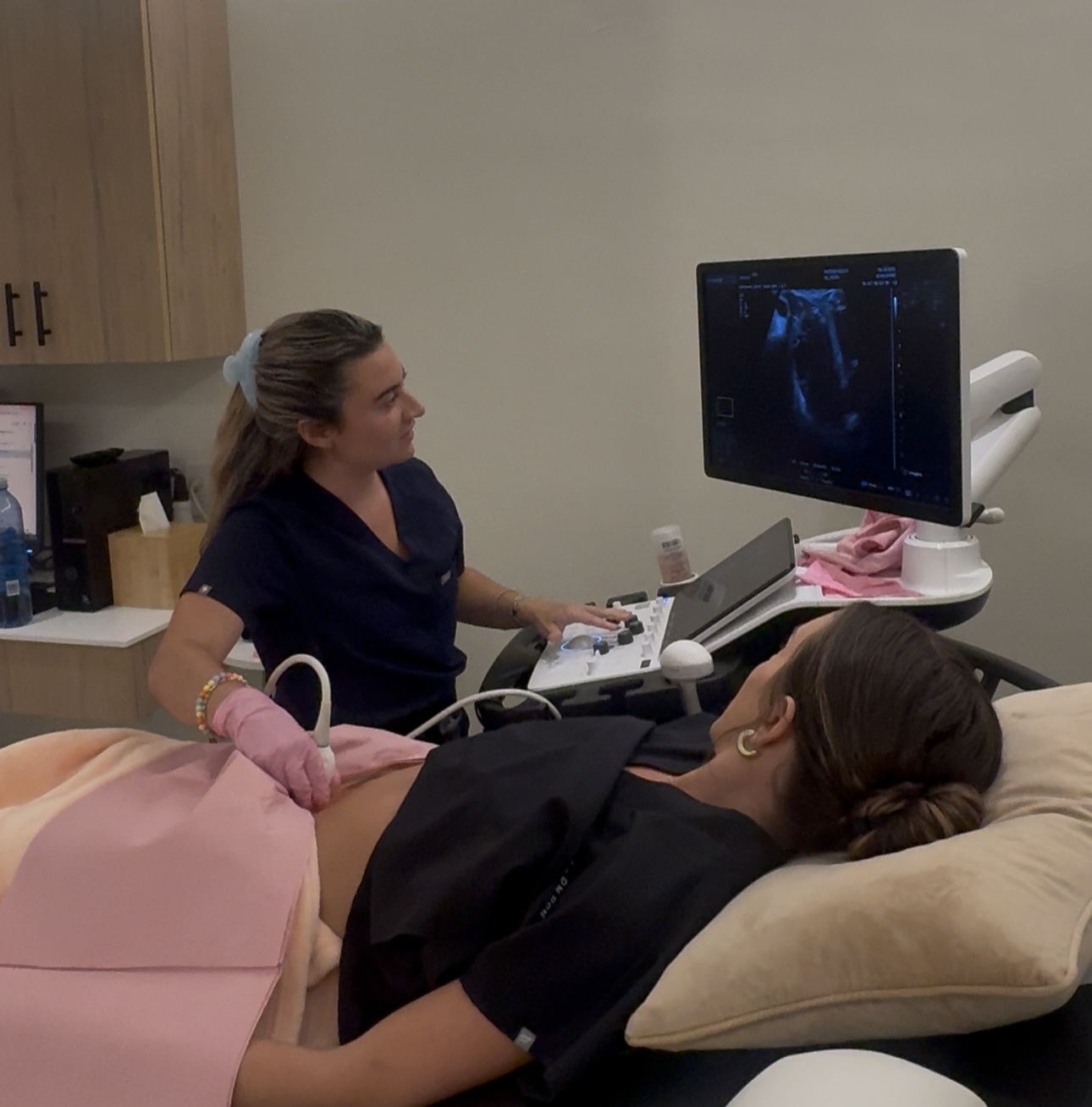
When you come to us asking about freezing, we do not hand you a brochure with one cheerful percentage. We start with your actual reserve. We look at your AMH, your antral follicle count on ultrasound, your age, and your goals, and we tell you what a realistic egg yield looks like for you and how many cycles that might take.
This is the same clinical depth we bring to a full fertility workup that goes beyond the basics, and it draws on the cycle tracking we do every day through follicular monitoring here in NYC. The goal is a plan built on your biology, not on a number that belongs to someone else. Same week appointments available.
FAQ: Egg Freezing Success Rate Questions
Is a 39 percent success rate good or bad?
It depends entirely on the woman behind the number. That figure came from a group whose average age was 38. A woman who freezes a healthy number of eggs before 35 generally has substantially better odds, which is why a blended average tells you very little about your own chances.
How many eggs do I need to freeze for one baby?
Under 38, banking 15 to 20 mature eggs is associated with roughly a 70 to 80 percent chance of one live birth. From 38 to 40 it usually takes 25 to 30. Because most women retrieve a limited number per cycle, more than one cycle is common, especially after 35.
Does freezing eggs use up the eggs I would have later?
No. Each month your ovaries recruit a group of follicles and let most of them fade. Stimulation medication simply rescues more of that month's group. You are not borrowing from future months or shortening the supply you have left.
Does egg freezing guarantee I can have a baby later?
No. It improves your options, sometimes dramatically, but it does not guarantee a pregnancy and does not reverse the aging of the eggs still in your body. It is best understood as one tool, not a finished plan.
What age is too late to freeze my eggs?
There is no hard cutoff, but the odds change. After 40, fewer eggs are retrieved and fewer are chromosomally normal, so the honest conversation about realistic outcomes becomes more important. The right answer is specific to your reserve, which is why testing comes first.
Egg freezing is one of the most useful options in reproductive medicine, and also one of the most oversold. The truth sits in between. The number that matters is not the headline. It is your age, your reserve, and how many eggs you can realistically bank. If you want to know what those numbers look like for you, we will walk through them with you honestly. Same week appointments available.
Not ready to book yet? Start with our free guide.
Get the free guideWe're here for you - from the start
We’re redefining maternal health by replacing the ER with a welcoming, evidence-based care environment that centers you: your body, your symptoms, your experience.
Schedule a visit
Compassionate support for every stage of pregnancy
Contact
Connect with our dedicated support team
Phone
Direct line for immediate healthcare guidance
Office
Women's health center in
130 7th Ave S NY, NY 10014
130 7th Ave S NY, NY 10014
Related blogs and articles

When Does Morning Sickness Start and End? Week by Week
When does morning sickness start? Usually weeks 4 to 6, peaking near week 9 and easing by weeks 14 to 22. Same-day nausea care in NYC. Book a visit.

Signs of Implantation: Cramping, Spotting, and Timing
Signs of implantation explained: cramping, spotting, timing, and when a blood test turns positive. Same-day early pregnancy visits in Manhattan.

Losing Weight in the Second Trimester: What It Means
Losing weight in the second trimester and not nauseous? An NYC OB/GYN explains the causes, when to worry, and the labs to ask for. Same-day visits.