
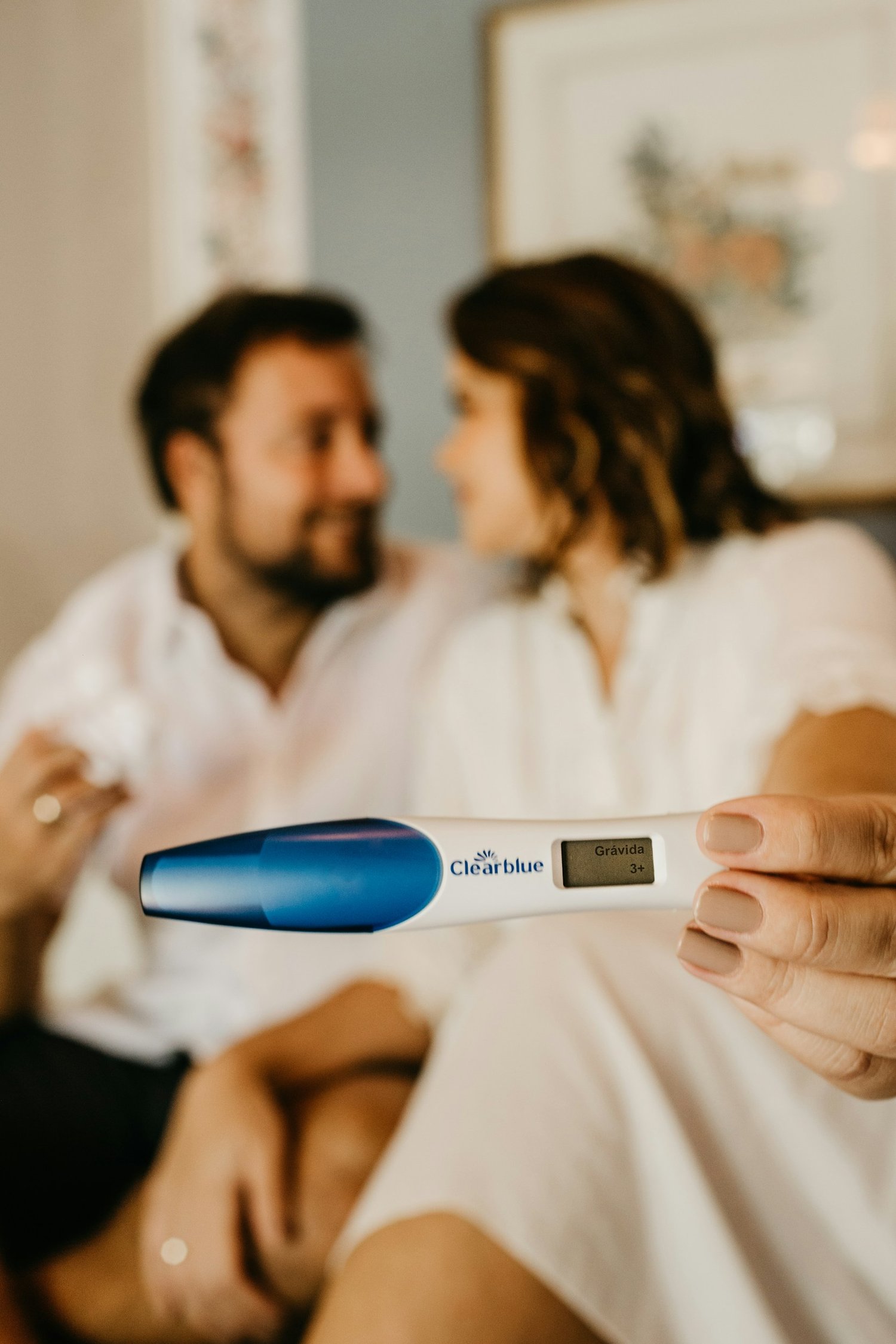
You’ve just seen those two pink lines (or maybe “pregnant” popped up on your digital test). Congratulations. Whether this is your first pregnancy or your fifth, that moment is always big. But what happens next?
At Materna, we know the first trimester can be full of questions. That’s why we’re reimagining care from conception to week 20, so you don’t have to wait or wonder.
The Short Answer? Sooner Than You Think.
Most people are told to wait until 8 to 10 weeks to see a provider. But that outdated advice comes from a time when care was primarily reactive, not proactive.
Modern guidelines, and Materna’s model, support early intervention. We recommend reaching out for care as soon as your test is positive. Here’s why.
Free First Trimester Guide
While you wait for that first appointment, our free First Trimester Guide walks you through what to do right now: nutrition, prenatal vitamins, symptoms to watch, and how to choose the right care, in plain language.
Why Early Prenatal Care Matters
1. Symptom Management
Early pregnancy symptoms like nausea, vomiting, fatigue, and dehydration can be overwhelming. If you’re experiencing these, you shouldn’t have to wait to get relief. At Materna, we offer:
IV therapy
Bloodwork
Personalized protocols
Starting as early as week 4.
2. Risk Assessment
Some people have a higher risk for complications like:
Hyperemesis Gravidarum (HG)
Iron deficiency
Early pregnancy loss
We use tools like the HELP Score (developed by the HER Foundation) to assess symptom severity and guide treatment early.
3. Peace of Mind
Whether you’re overanalyzing every cramp or Googling too much (we get it), early care provides information and reassurance. We’re here to guide, not scare, you through it.
Coming to NYC in October 2025.
Not ready to book yet? Start with our free guide.
Get the free guideWe're here for you - from the start
We’re redefining maternal health by replacing the ER with a welcoming, evidence-based care environment that centers you: your body, your symptoms, your experience.
Schedule a visit
Compassionate support for every stage of pregnancy
Contact
Connect with our dedicated support team
Phone
Direct line for immediate healthcare guidance
Office
Women's health center in
130 7th Ave S NY, NY 10014
130 7th Ave S NY, NY 10014
Related blogs and articles
Cycle Day 3 Fertility Testing: What to Expect in NYC
Cycle day 3 fertility testing explained: which hormones are drawn, why the timing matters, and how to get labs and a baseline ultrasound done in NYC.

Materna Prenatal Program: Keep Your OB, Upgrade the Journey
Six extra prenatal visits from week 14 to 36 with labs, ultrasounds and real time with a provider, alongside your own OB. How the program works in NYC.

HELP Score for Hyperemesis: How Severe Is Your Nausea?
The HELP score rates hyperemesis gravidarum from 0 to 60 in about three minutes. What the ranges mean, how it beats PUQE, and when to get same-day care in NYC.