

Pregnancy is transformative, filled with excitement and anticipation, but it also requires careful attention to your health and well-being. One crucial component of prenatal care is understanding the importance of iron in pregnancy, which is vital for both you and your growing baby. As your body works to support new life, your blood volume can increase by up to 50%, demanding greater iron levels to ensure that oxygen flows efficiently to both you and your little one. Unfortunately, if iron stores are low, the body prioritizes your needs, potentially leaving your baby vulnerable to iron deficiency anemia. That’s where Materna steps in as your trusted partner, offering comprehensive iron support and proactive approaches to prenatal care. With on-site iron testing during pregnancy and same-day iron infusions, Materna gives you the knowledge and resources to keep you and your baby strong.
Learn more about iron deficiency anemia in pregnancy.
Understanding Iron’s Role in Pregnancy
Iron plays a crucial role during pregnancy, supporting both maternal health and fetal development. Let’s explore why iron is essential and the potential impacts of iron deficiency.
Why Iron Is Essential During Pregnancy
Iron is a vital nutrient during pregnancy, playing a key role in the production of hemoglobin, the protein in red blood cells that carries oxygen throughout the body. As your blood volume increases during pregnancy, your iron needs rise dramatically.
Adequate iron levels ensure that both you and your growing baby receive sufficient oxygen. This is critical for fetal brain development, growth, and overall health.
Iron also supports your immune system, helping you fight off infections and maintain energy levels throughout your pregnancy.
Impact of Iron Deficiency
Iron deficiency during pregnancy can have significant consequences for both mother and baby. Without sufficient iron, your body struggles to produce enough hemoglobin, leading to iron deficiency anemia.
This condition can cause fatigue, weakness, and shortness of breath, making it challenging to manage daily activities. More severe cases may increase the risk of preterm delivery and low birth weight.
For the developing fetus, iron deficiency can impair cognitive development and potentially lead to long-term health issues. It’s crucial to address iron deficiency early to ensure the best outcomes for both you and your baby.
Recognizing Iron Deficiency Anemia
Identifying iron deficiency anemia early in pregnancy is crucial for timely intervention. Let’s look at the common symptoms and potential risks for your baby.
Common Symptoms to Watch For
Iron deficiency anemia often develops gradually, making it easy to overlook early symptoms. However, being aware of these signs can help you seek timely care:
- Unusual fatigue: Feeling excessively tired, even after rest
- Shortness of breath: Difficulty breathing, especially during light activities
- Pale skin: Particularly noticeable in the face, nails, and inside of the lower eyelids
- Dizziness or lightheadedness: Especially when standing up quickly
Heart palpitations and headaches may also occur. If you experience any of these symptoms, it’s important to discuss them with your healthcare provider promptly.
Risks of Low Iron for Baby
Low iron levels during pregnancy can have significant implications for your baby’s health and development. Research has shown that iron deficiency anemia in pregnancy may lead to:
- Increased risk of preterm birth
- Low birth weight
- Delayed cognitive and behavioral development
In severe cases, iron deficiency can affect the baby’s brain development, potentially leading to long-term learning difficulties.
Early detection and treatment of iron deficiency are crucial to mitigate these risks and ensure optimal fetal growth and development.
Materna’s Proactive Iron Support
At Materna, we believe in taking a proactive approach to iron support during pregnancy. Our comprehensive care includes early testing and personalized treatment options.
Early Iron Testing and Assessment
At Materna, we prioritize early iron testing to catch and address deficiencies before they become problematic. Our process includes:
- Initial screening: We conduct a thorough iron panel test during your first visit.
- Regular monitoring: Throughout your pregnancy, we continue to assess your iron levels.
- Personalized assessment: Our experts analyze your results in the context of your overall health and pregnancy stage.
Early detection allows us to implement timely interventions, ensuring you and your baby receive optimal iron support throughout your pregnancy.
Personalized Iron Treatment Options
At Materna, we understand that every pregnancy is unique, and so are your iron needs. We offer a range of personalized treatment options to address iron deficiency:
- Oral supplements: For mild cases, we may recommend high-quality iron supplements.
- Dietary guidance: Our nurse practitioners can help you incorporate iron-rich foods into your diet.
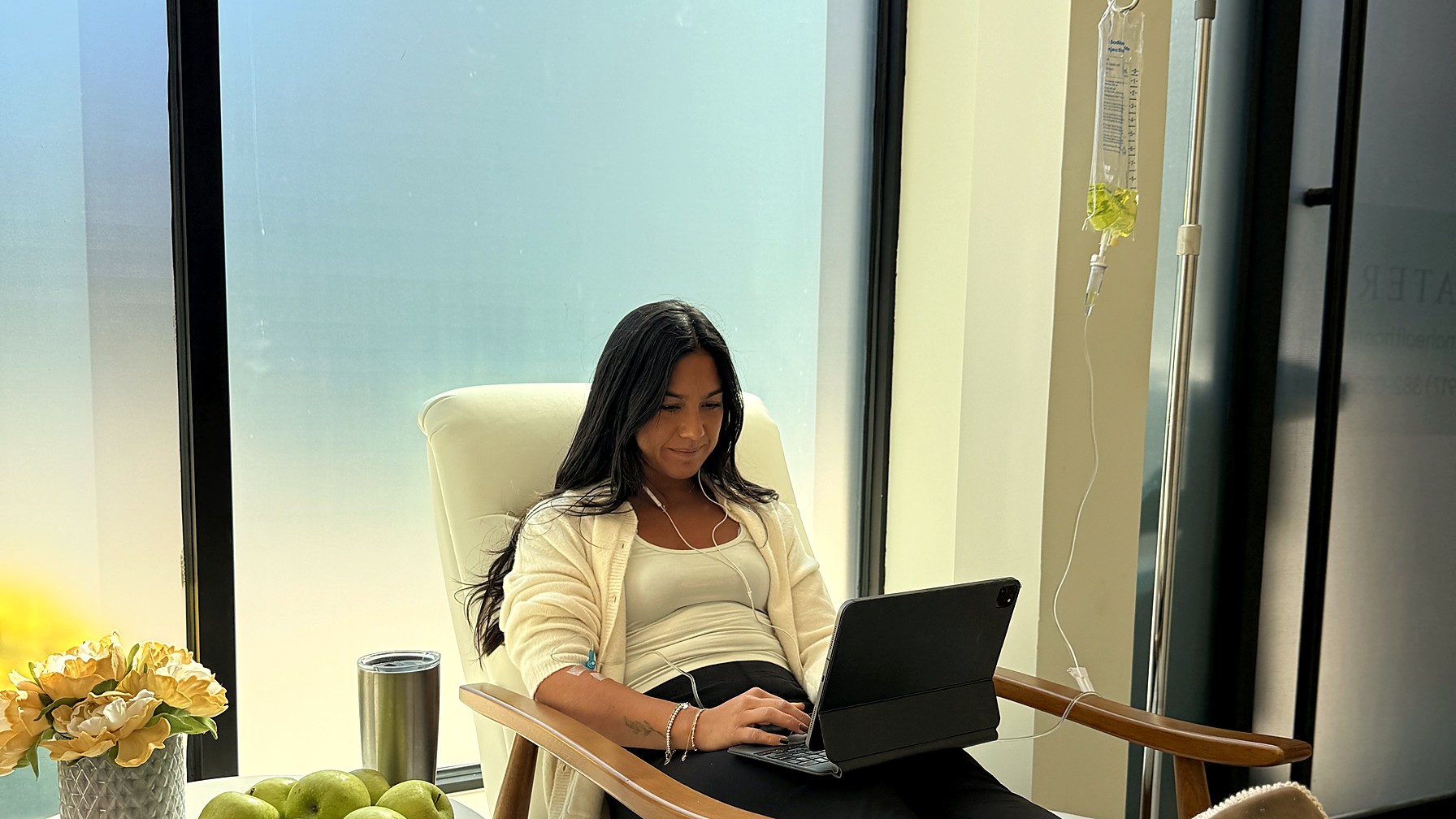
- Iron infusions: For more severe cases or those with absorption issues, we offer same-day iron infusions.
Our team works closely with you to determine the most effective and comfortable treatment plan, ensuring you receive the iron support you need.
Not ready to book yet? Start with our free guide.
Get the free guideWe're here for you - from the start
We’re redefining maternal health by replacing the ER with a welcoming, evidence-based care environment that centers you: your body, your symptoms, your experience.
Schedule a visit
Compassionate support for every stage of pregnancy
Contact
Connect with our dedicated support team
Phone
Direct line for immediate healthcare guidance
Office
Women's health center in
130 7th Ave S NY, NY 10014
130 7th Ave S NY, NY 10014
Related blogs and articles

When Does Morning Sickness Start and End? Week by Week
When does morning sickness start? Usually weeks 4 to 6, peaking near week 9 and easing by weeks 14 to 22. Same-day nausea care in NYC. Book a visit.

Signs of Implantation: Cramping, Spotting, and Timing
Signs of implantation explained: cramping, spotting, timing, and when a blood test turns positive. Same-day early pregnancy visits in Manhattan.
Losing Weight in the Second Trimester: What It Means
Losing weight in the second trimester and not nauseous? An NYC OB/GYN explains the causes, when to worry, and the labs to ask for. Same-day visits.