
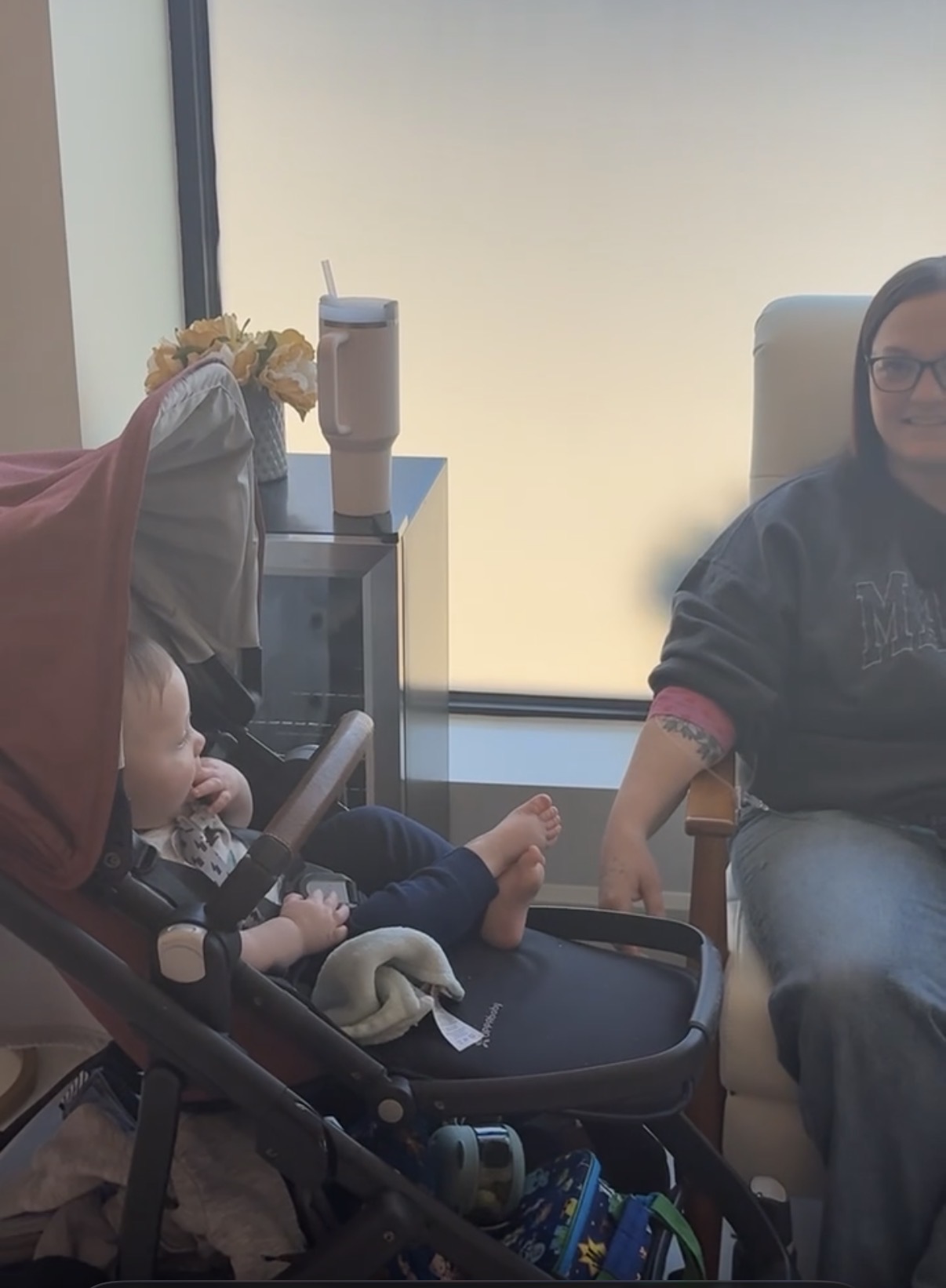
The postpartum period has a finish line built into the standard care model: the six-week visit. You show up, your provider checks your incision or examines your cervix, says everything looks good, and hands you a contraception prescription. Most women leave that appointment still bleeding, still exhausted, still uncertain about what is normal, and still without answers to the questions they actually had. Then the system considers the job done.
It is not done. Here is what the evidence says about what the body actually needs in the months after birth, and what real fourth trimester care covers.
What Is Actually Happening in Your Body After Birth
The postpartum period is not a recovery destination. It is a physiological transformation that unfolds over weeks and months, not a single point in time.
In the first days and weeks, your uterus contracts back toward its pre-pregnancy size, postpartum bleeding (lochia) gradually resolves, and if you are breastfeeding, your body is producing milk while managing a significant hormonal shift. Estrogen and progesterone drop sharply after delivery. Prolactin rises if you are nursing. Thyroid function can become dysregulated in the months following birth, a condition called postpartum thyroiditis that is estimated to affect 5 to 10% of postpartum patients and is frequently missed because it often presents after the six-week window.
Iron levels deserve specific attention. Blood loss during delivery, combined with the iron demands of late pregnancy, frequently leaves patients with depleted stores. A 2022 study in JAMA Pediatrics found that one in three mothers develop health conditions in the months following birth, including fatigue, pain, and sleep disturbances that interfere with daily functioning. These are not just the expected hardships of new parenthood. Many are symptoms of identifiable, treatable conditions.
Pelvic floor recovery follows its own timeline. Perineal healing, changes in bladder and bowel function, and pelvic floor weakness do not resolve by week six. The American College of Obstetricians and Gynecologists has explicitly stated that postpartum care should be understood as an ongoing process rather than a single visit, with initial contact in the first three weeks and a comprehensive visit no later than 12 weeks after birth.
What Gets Missed After Six Weeks
The six-week visit was not designed to catch everything. It was designed to confirm that the most acute postpartum complications had either resolved or been treated. Everything that unfolds after that window largely falls through the cracks.
Postpartum mood disorders are the clearest example. The CDC estimates that one in eight women experience postpartum depression. Most cases onset after the six-week visit. In the standard care model, a patient who develops postpartum depression at 10 weeks has no scheduled touchpoint until her annual well-woman visit. She is expected to identify her own symptoms, advocate for herself, and navigate the mental health referral system independently, while caring for a newborn.
Thyroid dysfunction, iron depletion, vitamin D deficiency, and B12 deficiency can all present as postpartum fatigue and mood changes. Without labs, these are indistinguishable from normal new parenthood difficulty. With labs, they are identifiable and correctable.
Sexual health and pelvic floor function are rarely addressed meaningfully at the six-week visit. Dyspareunia, urinary incontinence, and pelvic organ prolapse symptoms are common and treatable. They are also among the most consistently underdiscussed topics in postpartum care.
If you are past the six-week mark and still do not feel like yourself, you are not imagining it. Book a postpartum visit at Materna and let us take a real look at what is going on. Same-week appointments available.
The Symptoms That Mean You Should Be Seen Now
Normalizing a long recovery is not the same as ignoring warning signs. Some symptoms need prompt medical attention, and knowing them is part of caring for yourself.
Based on the Urgent Maternal Warning Signs guidance from the CDC, seek care right away if you experience any of the following after birth:
- Heavy vaginal bleeding, such as soaking through more than one pad an hour, or passing large clots
- A severe headache that will not ease, or changes in your vision
- Fever, or a red, hot, painful area on your body or breast
- Chest pain, trouble breathing, or a fast-beating heart
- Severe belly pain, or swelling in one leg that is red or painful
- Thoughts of harming yourself or your baby
Thoughts of self-harm are always an emergency. In the United States you can call or text 988 to reach the Suicide and Crisis Lifeline at any hour.
You do not need to be certain something is wrong to reach out. If a symptom worries you, that is reason enough to call your clinician.
What Postpartum Care Should Actually Include
ACOG's guidance on optimizing postpartum care calls for care to be individualized, woman-centered, and structured as an ongoing process rather than a single visit. The organization recommends initial contact within the first three weeks postpartum and a comprehensive assessment by 12 weeks.
A thorough postpartum assessment includes physical recovery across multiple systems. Head-to-toe assessment, breast evaluation whether or not you are nursing, abdominal wall and pelvic floor assessment, and a review of the birth itself and any complications. Bloodwork should include at minimum hemoglobin and ferritin, vitamin D, B12, folate, and thyroid function. Mood screening using a validated tool, not just a general check-in. A genuine conversation about sexual health, contraception, and family planning that accounts for your full picture rather than offering a default recommendation.
Diet and movement guidance matters too, and it should be tailored to where you actually are, not a generic cleared-for-exercise sign-off. Most patients need specific guidance on returning to physical activity, particularly if they had a cesarean, significant perineal repair, or any pelvic floor symptoms.
The Fourth Trimester Is a Real Clinical Period
The framing of postpartum as a fourth trimester is not just poetic. It reflects what the evidence shows: the 12 weeks after birth are a period of intense physiological change and significant health risk for mothers, and they require structured clinical attention.
A 2025 study found that 43.3% of pregnancy-related deaths in 2021 occurred in the six weeks following delivery. The World Health Organization recommends a minimum of four postnatal contacts for mothers and infants. The current standard of care in most US practices offers one.
Materna offers postpartum visits from week one through the end of the first year. Each visit is designed around where you actually are in your recovery, not a standardized checklist. We look at the whole picture.
If you would rather read the long view first, our companion piece walks through the full arc of the postpartum year, quarter by quarter.
Postpartum Care Beyond 6 Weeks FAQs
When should I start postpartum care visits?
ACOG recommends an initial contact within the first three weeks, with a comprehensive visit by 12 weeks. At Materna, we offer postpartum visits starting from week one. You do not need to wait for the traditional six-week mark if you have questions or concerns before then.
What labs should I have checked postpartum?
At minimum: hemoglobin and ferritin to assess iron status, vitamin D, B12, folate, and thyroid function including TSH and free T4. Depending on your history, additional labs may be indicated. Iron deficiency and thyroid dysfunction are among the most commonly missed contributors to postpartum fatigue and mood changes.
How long does postpartum recovery actually take?
Recovery varies significantly depending on the birth experience, any complications, your baseline health, and individual factors. Many physiological changes, including pelvic floor recovery, hormonal stabilization, and return of full energy, take 6 to 12 months. The idea that the body is fully recovered at six weeks is not supported by the evidence.
Is postpartum depression covered at a postpartum visit?
Yes. A postpartum mood evaluation using a validated screening tool is a standard part of every postpartum visit at Materna. If your screen suggests postpartum depression, anxiety, or a related mood disorder, we discuss next steps, including therapy referrals, medication options, and ongoing support.
I had a cesarean. Is my recovery different?
Yes. Cesarean recovery involves healing of both the uterine incision and the abdominal wall. Return to physical activity follows a different timeline, and scar tissue management matters for long-term comfort and function. If you had a cesarean and have questions about your recovery at any point in the first year, we can address those directly.
What This Means at Materna
When you come to us postpartum, we do not hand you a clearance and send you back out. We look at your physical recovery from head to toe. We draw the labs that tell us what is actually going on with your iron, your thyroid, your nutrient levels. We screen for mood disorders with real tools and real follow-through. We make space for the questions that got pushed aside at the six-week visit.
Postpartum is not the end of your care. It is a clinical chapter that deserves the same attention as the pregnancy itself. We are here for it, from week one through year one. Book your postpartum visit at Materna in the West Village. Same-week appointments available.
Not ready to book yet? Start with our free guide.
Get the free guideWe're here for you - from the start
We’re redefining maternal health by replacing the ER with a welcoming, evidence-based care environment that centers you: your body, your symptoms, your experience.
Schedule a visit
Compassionate support for every stage of pregnancy
Contact
Connect with our dedicated support team
Phone
Direct line for immediate healthcare guidance
Office
Women's health center in
130 7th Ave S NY, NY 10014
130 7th Ave S NY, NY 10014
Related blogs and articles

PCOS Is Now PMOS: What It Means for Getting Pregnant
PCOS is now PMOS, polyendocrine metabolic ovarian syndrome. What the name change means, and a realistic roadmap for getting pregnant with PMOS.

Chemical Pregnancy: What It Means and What Happens Next
Chemical pregnancy explained with care: what it is, why it happens, what recovery looks like, and when to be seen. Same-week appointments available.
Cryptic Pregnancy: Signs, Causes, and How to Know for Sure
A cryptic pregnancy is real but rare. An NYC OB/GYN team explains how tests miss it, who is at risk, and how to get a definitive answer this week.